
There’s a moment that happens to almost everyone who visits Panama for the first time: they arrive expecting a layover country, a place best known for its canal and its shipping lanes, and they leave asking why no one told them about the rest of it. The cloud forests. The islands you’ve never heard of but won’t stop thinking about. The coffee farms clinging to volcanic hillsides. Panama has always had all of this.
The Season Panama Calls Summer
Here’s the twist that catches most travelers off guard: in Panama, the months we think of as winter are known locally as verano — summer. From roughly mid-December through mid-April, Panama settles into its dry season. It’s a quirk of geography, not a coincidence. Panama sits close enough to the equator that its seasons are defined less by temperature and more by rainfall, and winter is when the skies clear.
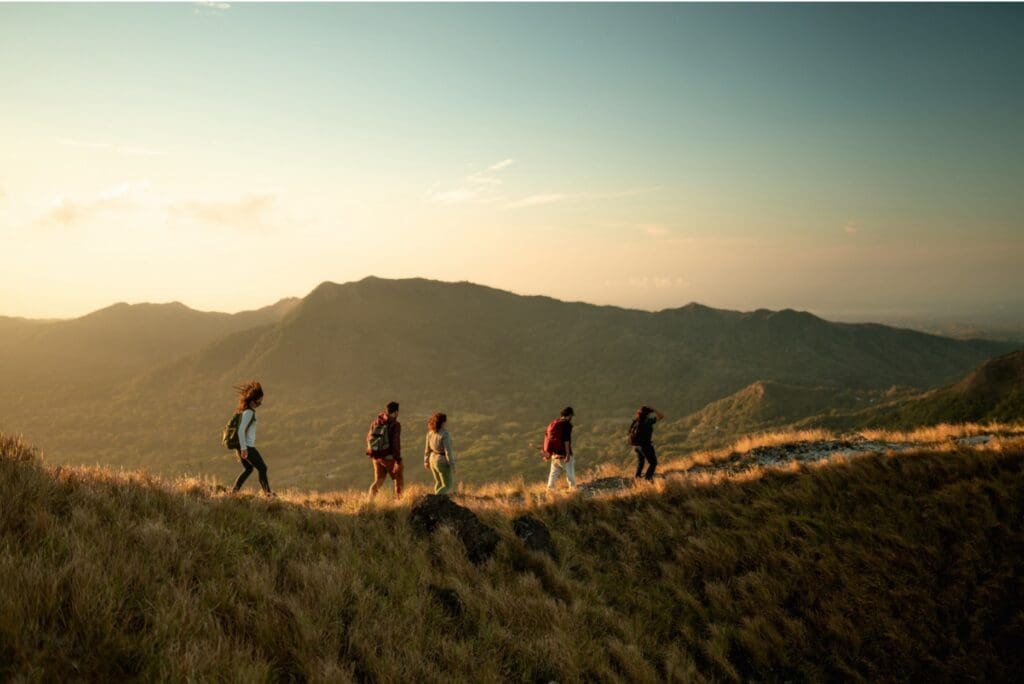
For travelers, that shift opens up the whole country. Roads are firm and easy to travel. Boat crossings run smooth, making island-hopping simple and comfortable. Trails are at their best, and some of the finest hiking in Central America is at its most accessible. And the light — the kind of golden, low-humidity light that makes every photo look like it was staged — shows up almost every single day.
It’s also, quite simply, when Panama parties. Verano is high season for locals too: it’s when Panamanians take their own vacations, head to the beach, and celebrate two of the country’s biggest annual traditions (more on those below). The whole country feels like it’s on holiday, and that energy is contagious.
What the Weather Actually Feels Like
Along the Pacific coast and in Panama City, winter days typically bring warm temperatures in the mid-80s Fahrenheit, low humidity, and skies that stay blue for days at a stretch. Evenings cool off pleasantly, especially near the water. Head up into the highlands around Boquete, though, and the story changes. The days are mild and springlike. Nights can dip cool enough for a light jacket, and the air carries the smell of coffee cherries ripening on the hillside.
The Caribbean side of the country, including Bocas del Toro and the San Blas islands, marches to its own rhythm — the Atlantic coast doesn’t follow the same dry-season pattern as the Pacific side, so it’s worth building your itinerary with a local expert who knows which pockets of the country are driest when. That’s part of what makes Panama such a rewarding place to travel with a guide who knows the terrain, rather than a one-size-fits-all itinerary.

Where the Season Takes You
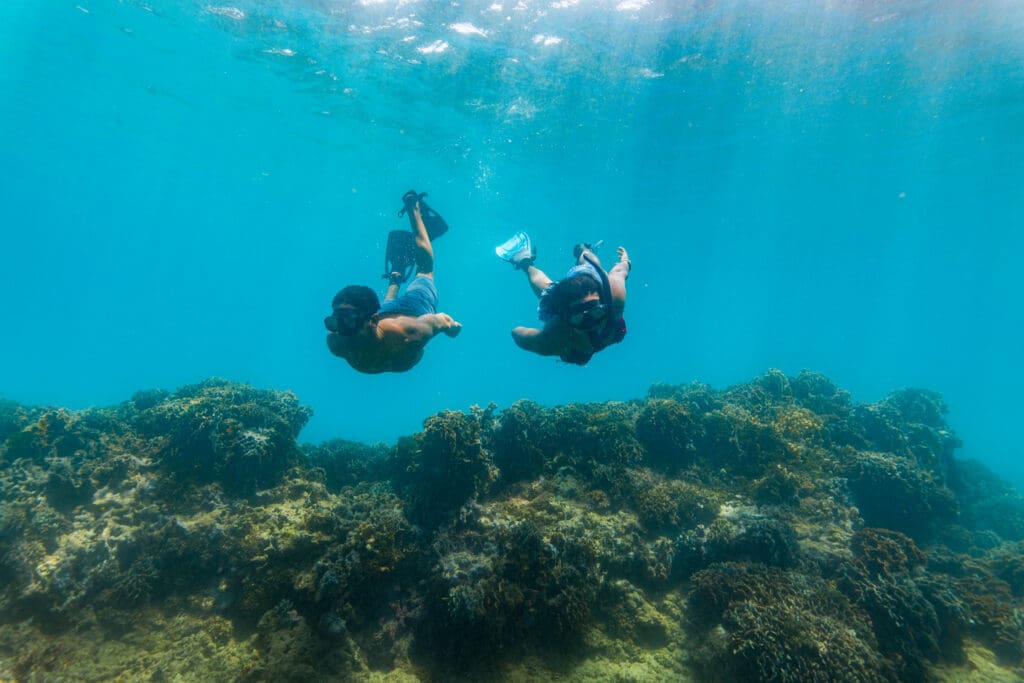
Coiba National Park and the Gulf of Chiriquí. Winter’s calm, clear water makes this one of the best times of year to get out on the Pacific — snorkeling and diving around Coiba, one of the largest marine reserves in the Eastern Pacific, with visibility that shows off reef life, rays, and untouched rainforest islands from the water. Boats head out from small fishing towns along the Pacific coast for full days on the water against a backdrop of rainforest coastline.
The San Blas archipelago. Home to the Guna Yala people, this string of more than 300 islands is one of the most singular places in the hemisphere — some islands hold a single palm tree and a hammock, others hold entire fishing villages that have run their own affairs for generations. Winter’s calm seas make island-hopping by boat effortless, and the water turns the kind of turquoise that’s hard to believe until you’ve seen it yourself.
Boquete and the highlands. Set in the shadow of Volcán Barú, Panama’s highest peak, Boquete is a small mountain town built around coffee, flowers, and quiet. Winter’s clear skies make it prime season for hiking the Quetzal Trail, touring a family-run coffee farm during harvest, and birdwatching in a region considered one of the richest in the world for species diversity.
The Panama Canal and Casco Viejo. No trip to Panama skips the canal, and winter is a wonderful season to appreciate it — clear, dry days for watching ships lift through the locks at Miraflores, followed by an afternoon wandering the restored colonial streets, rooftop bars, and jazz clubs of Casco Viejo, Panama City’s old quarter.
Mil Polleras and Carnival — Panama’s party season. Verano is when Panama truly comes alive. Every January, the town of Las Tablas hosts the Festival de las Mil Polleras, where hundreds of women twirl through the streets in Panama’s elaborate, hand-embroidered national dress. Then, typically in February (and some years in March, when the date shifts with the Easter calendar), Carnival takes over — one of the largest celebrations in Latin America. In Las Tablas especially, the streets fill with music, parade floats, and days of celebration that turn the whole country into one big party. If your trip lands during either one, you’re in for something most visitors never get to see.
A Trip Designed by Someone Who Knows It Well
What makes winter in Panama remarkable isn’t just the weather — it’s how much more of the country opens up because of it. Relaxing along the Pacific coast, mountain coffee farms, an afternoon in an 18th-century plaza, a Carnival parade — verano is the season for saying yes to almost anything.
That range is exactly why a Panama itinerary benefits from more than a generic guidebook. Which islands are calmest this week, which trail is at its best, which local festival is worth building a day around — that’s local knowledge, not something you’ll find by searching alone. It’s also exactly the kind of trip Catalina Quest was built to plan: expert-guided, personalized to what you actually want out of the trip, and designed so the only thing you have to do once you land is show up.
If Panama has been sitting on your someday list, winter is the season to move it to the top — and it’s also the season that books up first. Reach out to Catalina Quest to start planning your trip. We’ll help you build an itinerary around exactly what makes this season, and this country, worth the trip.
Contact Us