
Australia’s vastness means its climates and landscapes vary dramatically from north to south, coast to outback. Packing right for your trip depends not just on the season, but also on your destinations, whether you’re surfing in Byron Bay, hiking in Tasmania, or exploring the Red Centre. Here’s a comprehensive, location-focused guide to packing for Australia, inspired by our travels.
Essentials for All Seasons
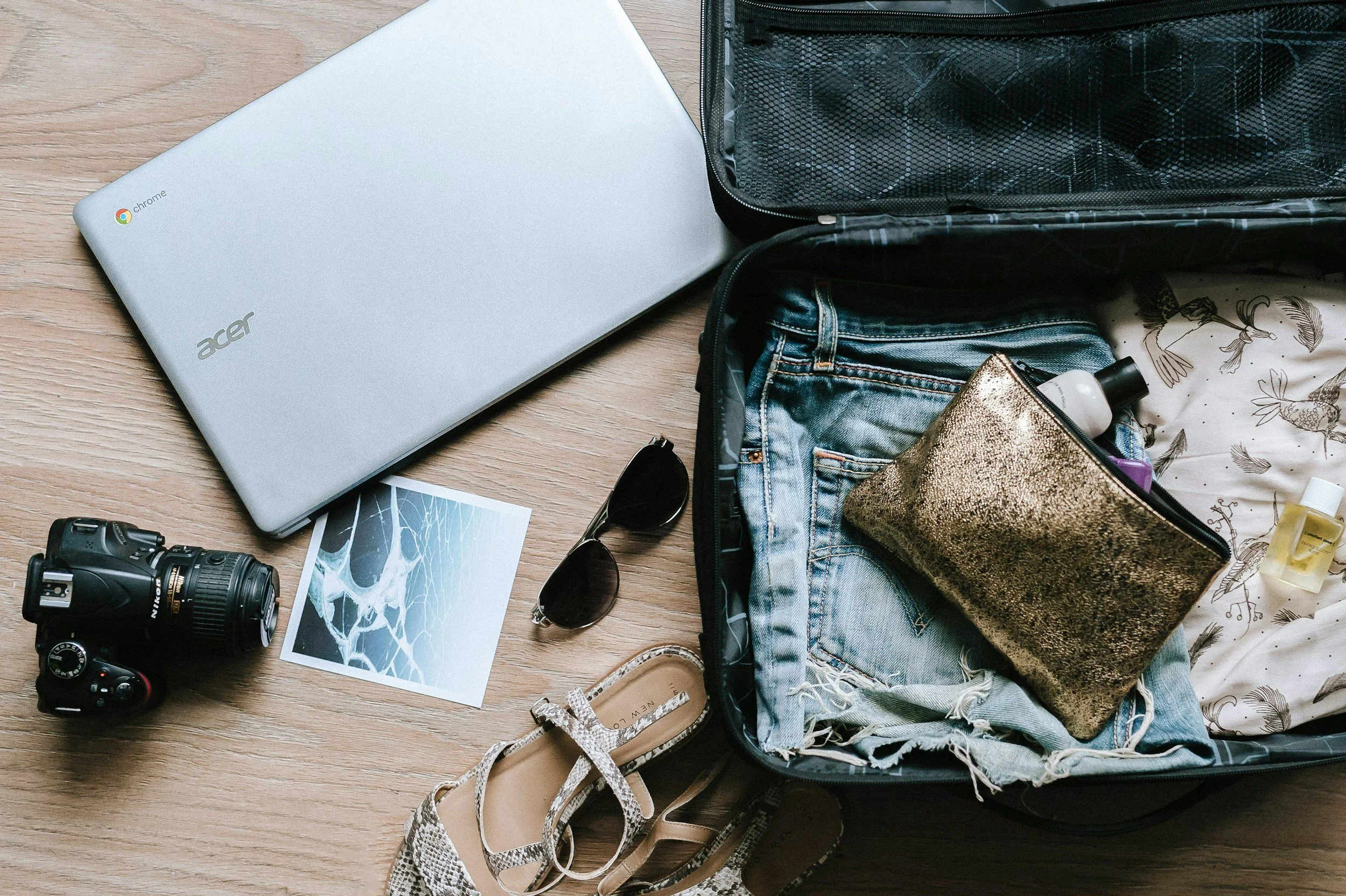
Regardless of when and where you travel, always pack:
- Comfortable walking/hiking shoes
- Day pack for excursions
- Sun protection: hat, sunglasses, reef-safe sunscreen
- Swimwear (heated pools and warm northern waters are common)
- Reusable water bottle
- Power adapter (Type I)
- Light rain jacket or windbreaker
- First aid kit and basic medications
- Travel documents and insurance
Summer (December-February):
Summer is hot and vibrant, with temperatures often 80-95°F (27-35°C) in the south and even hotter in the interior. The north (Cairns, Darwin, Broome) is tropical, humid, and prone to heavy rain.
Top Destinations & What to Expect:
- Sydney, Melbourne, Adelaide: Warm to hot, with occasional cool changes. Beach weather is at its best.
- Great Barrier Reef (Cairns, Whitsundays): Hot, humid, and wet. Rain showers are frequent.
- Outback (Uluru, Alice Springs): Extremely hot, dry, and sunny—temperatures can exceed 100°F (38°C).
- Perth: Dry heat, lots of sunshine.
- Tasmania: Pleasantly warm but can be cool in the evenings.
What to Pack:
- Lightweight, breathable clothing (cotton/linen shirts, shorts, dresses)
- Swimsuits and flip-flops
- Wide-brimmed hat and UV sunglasses
- High-SPF sunscreen and after-sun lotion
- Sandals or water shoes for rocky beaches and reef walks
- Light raincoat or travel umbrella for the tropical north
- Smart-casual outfit for city dining or nightlife
Tips: Hydration is crucial in the heat. In the north, pack insect repellent for mosquitoes. If you’re heading to the Outback, include a fly net for your hat and extra water bottles.
Fall (March-May):
Autumn is mild and comfortable, with temperatures from 60-75°F (16-24°C). As the humidity drops and crowds thin, it’s a great time for outdoor activities.
Top Destinations & What to Expect:
- Sydney, Adelaide, Perth: Pleasant days, cooler nights. Occasional rain.
- Melbourne: Temperamental weather—“four seasons in a day” is common.
- Brisbane, Gold Coast, Sunshine Coast: Still warm enough for the beach, especially in March and April.
- Tasmania: Crisp mornings and evenings, beautiful autumn foliage.
- The Red Centre: Warm days, chilly nights.
What to Pack:
- Layered clothing: t-shirts, long-sleeve shirts, light sweater/jacket
- Swimsuit for Queensland beaches
- Raincoat and umbrella, especially for Melbourne
- Comfortable walking shoes
- Warmer clothes for evenings in the south and Tasmania
Tips: Pack for flexibility—layers are your friend. Melbourne’s weather can shift quickly, so always have a rain jacket handy. In the Outback, pack a warm layer for cold nights.
Winter (June-August):
Winter varies widely. The north remains warm and dry, while the south can be chilly and wet. Snow falls in the Australian Alps (Victoria, New South Wales) and Tasmania.
Top Destinations & What to Expect:
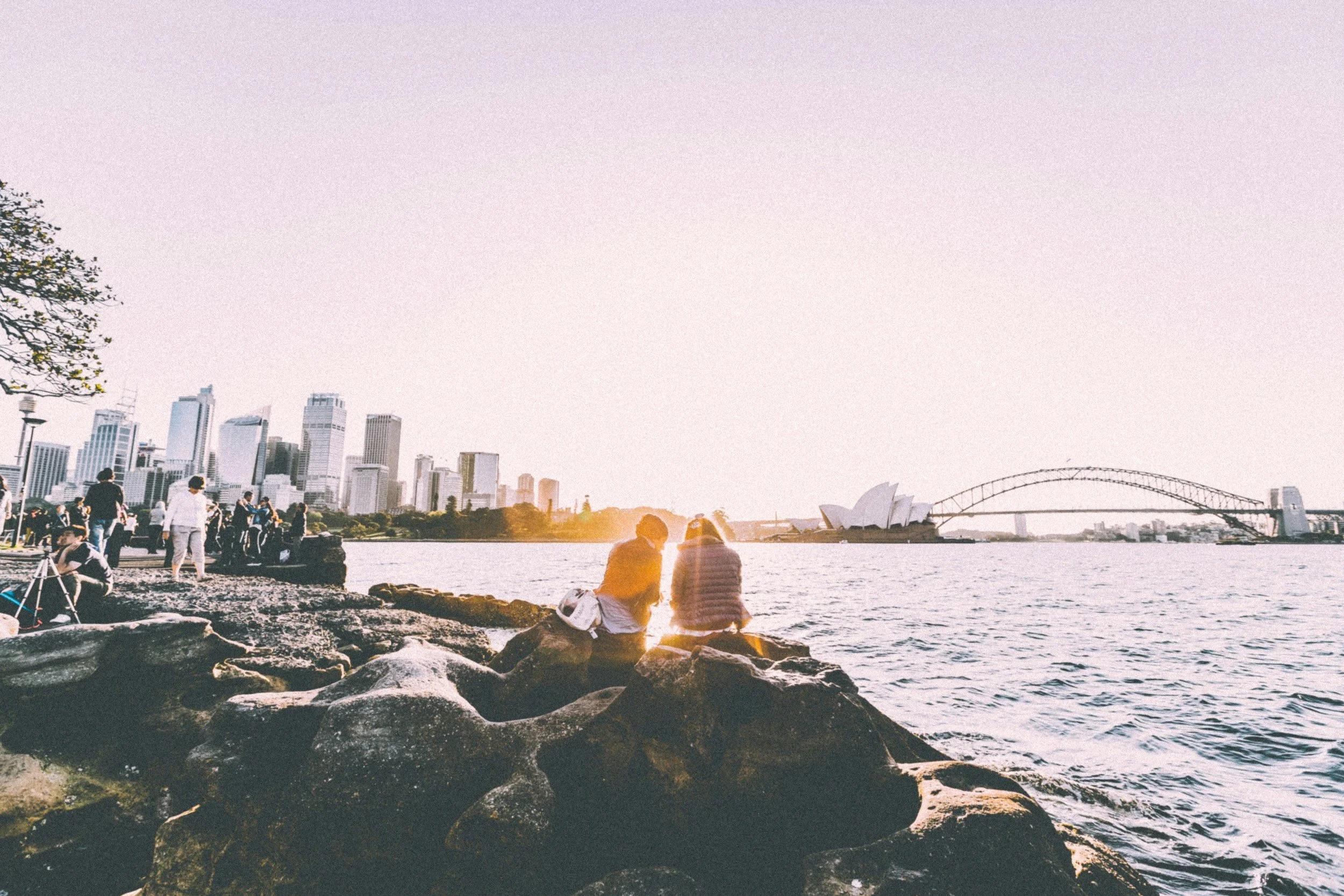
- Sydney: Mild days (highs ~63°F/17°C), chilly nights, occasional rain.
- Melbourne: Cold (highs ~57°F/14°C, lows ~44°F/6.5°C), frequent rain.
- Cairns, Darwin, Broome: Warm, dry, and sunny—ideal for outdoor adventures.
- Tasmania, Australian Alps: Cold, with snow in alpine regions (great for skiing).
- Outback: Warm days, but nights can drop to near freezing.
What to Pack:
- Warm coat or insulated jacket
- Sweaters, thermal tops, and leggings
- Scarf, beanie, gloves (especially for Melbourne, Tasmania, or the Alps)
- Waterproof boots/shoes for rainy cities
- Umbrella or rain jacket (Melbourne, Hobart)
- Swimwear for northern beaches or heated pools
- Flannel pajamas for cold nights
- Lip balm and moisturizer for dry air
Tips: Layering is essential. If you’re heading to the snow, pack proper winter gear. In the Outback, nights are cold—bring a warm sleeping bag if camping.
Spring (September-November):
Spring is fresh and lively, with wildflowers blooming and temperatures rising to 65-80°F (18-27°C). The weather can be unpredictable, especially in the south.
Top Destinations & What to Expect:
- Sydney, Adelaide, Perth: Mild, sunny days, occasional rain.
- Melbourne: Unpredictable—layers and rain gear recommended.
- Great Ocean Road, Blue Mountains: Ideal hiking weather, cool mornings.
- Queensland coast: Warm and beach-friendly by late spring.
- Tasmania: Cool, with beautiful spring blooms.
What to Pack:
- Lightweight clothing for warm days
- Warm jacket or sweater for cool evenings
- Rain jacket or umbrella, especially for southern cities
- Comfortable walking shoes and sandals
- Swimsuit for early beach days or hotel pools
- Sun protection (UV levels rise quickly)
Tips: Spring weather can swing from sunny to rainy, so pack versatile layers. Western Australia’s wildflower season is stunning, so bring a camera and sturdy shoes for walks.
With these seasonal and regional tips, you’ll be ready for any Australian adventure. Remember: Australia’s diversity means packing smart, layering, and always checking the forecast for your specific destinations. Safe travels!
Ready to Pack?