The Wildlife
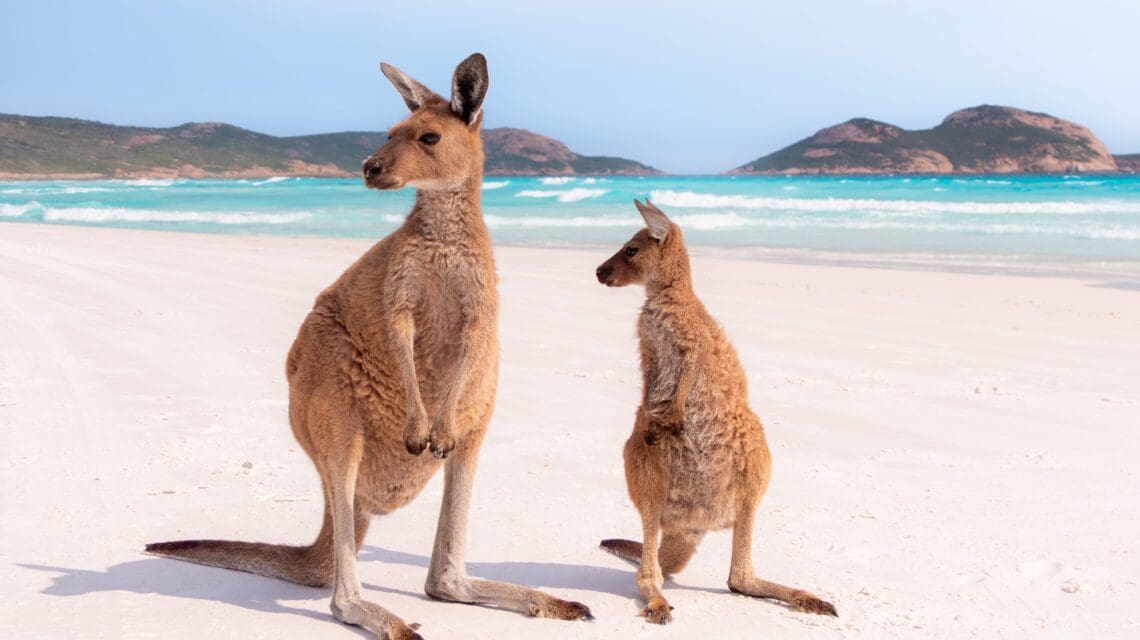
Australia boasts an extraordinary array of unique wildlife, featuring remarkable creatures like the egg-laying echidna and platypus, marsupials such as kangaroos and wombats, and distinctive animals like the Tasmanian devil.


Tailor-made travel is crucial when visiting Australia due to the country’s vast size and diverse attractions. A personalized itinerary maximizes your time and experiences across this expansive continent. Our expert trip planners possess invaluable local knowledge, allowing them to craft journeys that align with your interests, travel style, and preferences.
We seamlessly coordinate flights, accommodations, and activities, creating a cohesive experience that caters to your unique needs, whether you prefer luxury stays, adventure-packed days, or a mix of urban and natural wonders. Our bespoke approach optimizes your travel time and ensures you don’t miss out on hidden gems or experiences that resonate with your personal travel goals in Australia.
Australia boasts an extraordinary array of unique wildlife, featuring remarkable creatures like the egg-laying echidna and platypus, marsupials such as kangaroos and wombats, and distinctive animals like the Tasmanian devil.
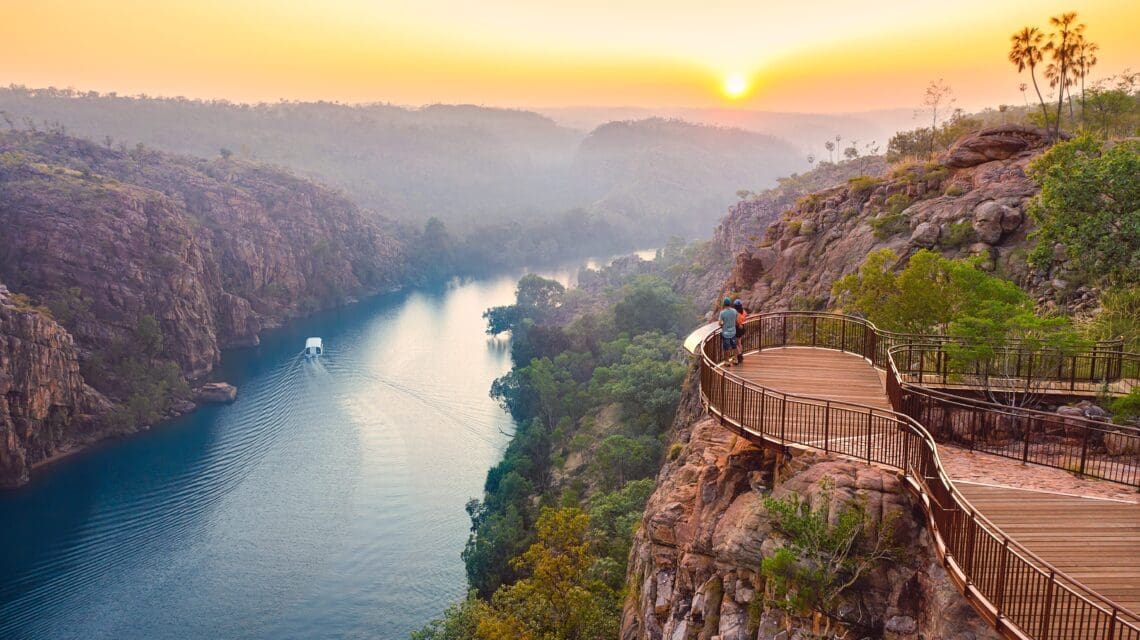
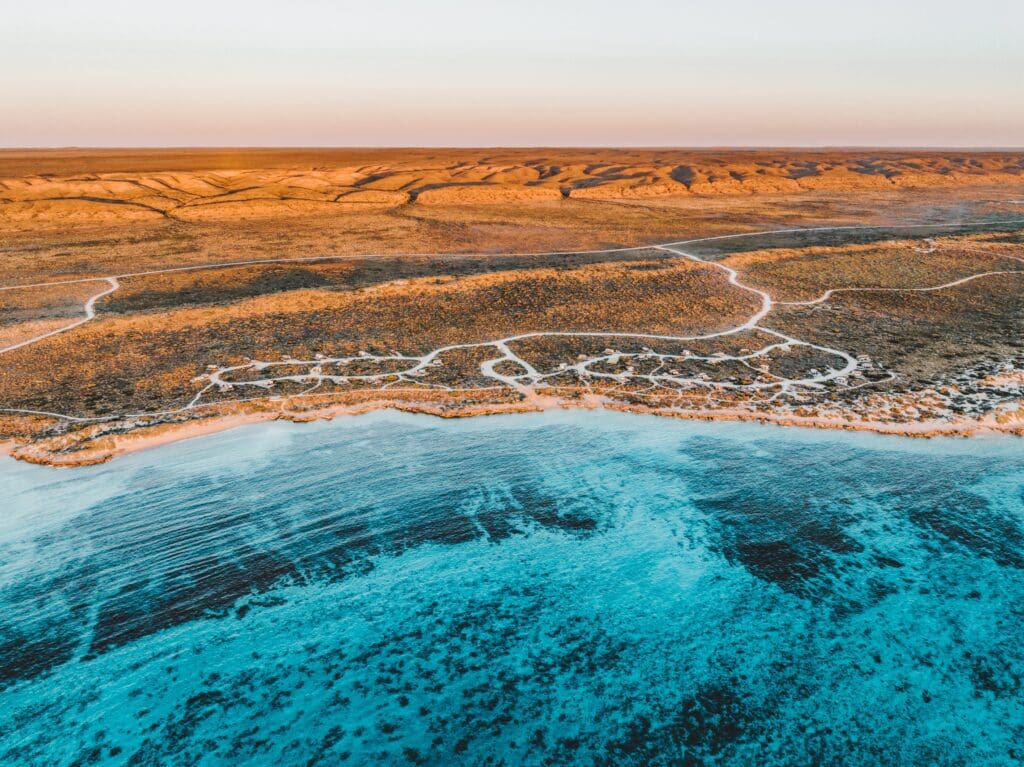
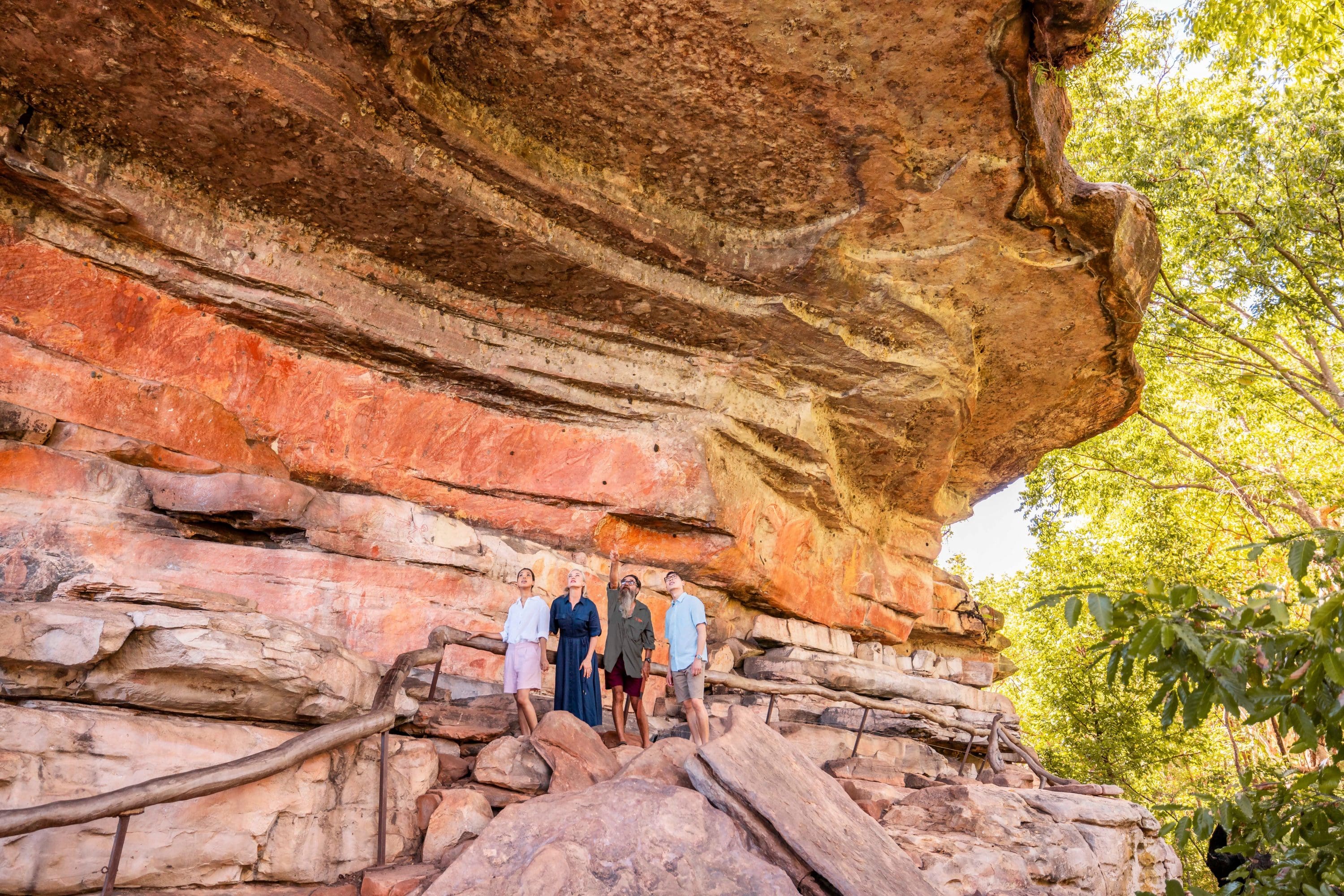
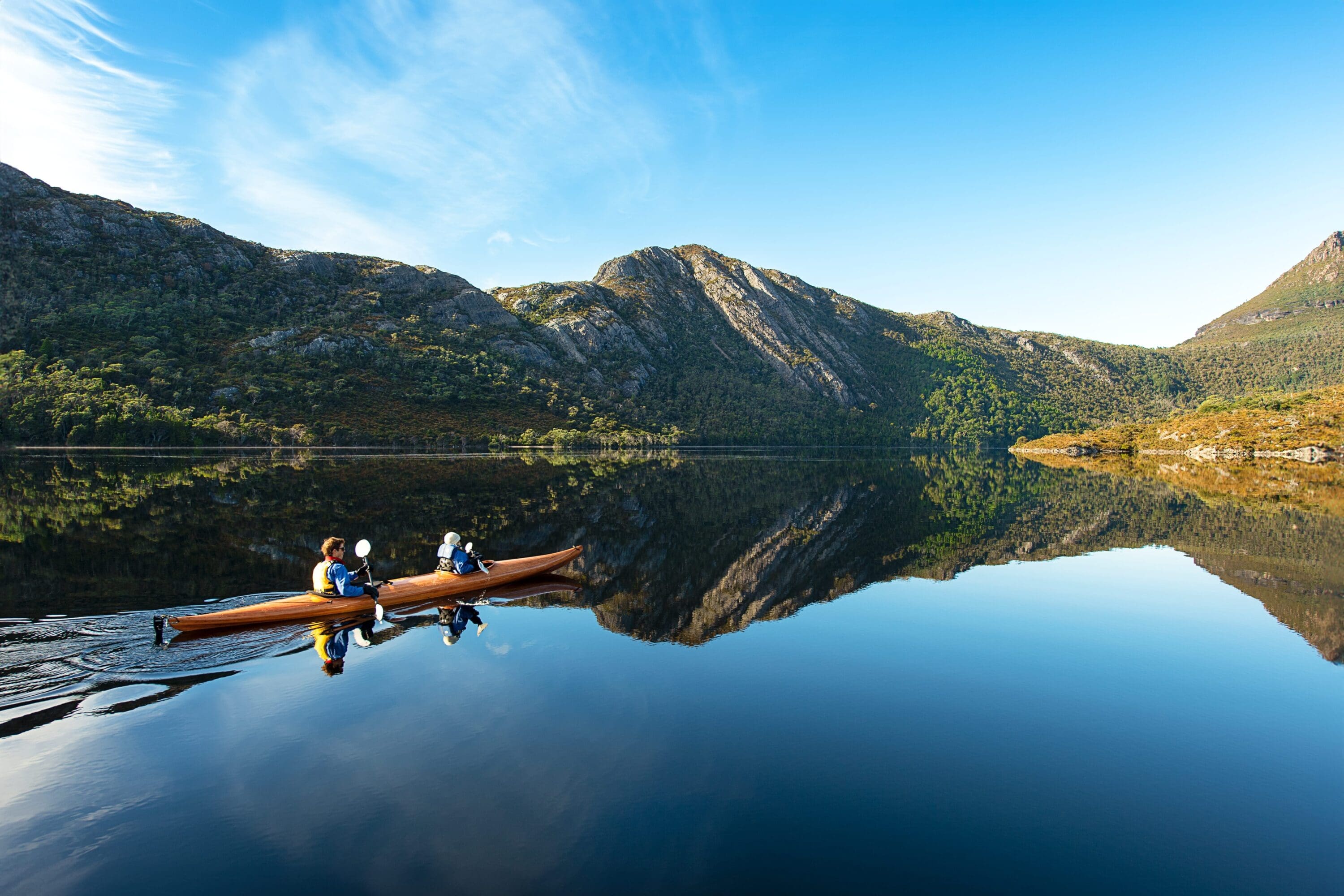
Australia boasts an extraordinary diversity of landscapes, ranging from the ancient Daintree Rainforest to the iconic red monolith of Uluru, the pristine beaches of the Whitsundays, and the rugged terrain of the Kimberley region.

Australia’s history spans over 60,000 years, beginning with the arrival of Indigenous peoples, leading to a multicultural society that blends Western influences with Indigenous heritage.
The best time to visit Australia depends on the regions you plan to explore, as the country’s diverse climate offers varied experiences throughout the year.
Generally, the shoulder seasons of spring (September to November) and autumn (March to May) are ideal for traveling across most of the country, offering mild temperatures and fewer crowds.
These periods provide a perfect balance for combining city breaks with outback adventures. They allow comfortable exploration of iconic destinations like Uluru-Kata Tjuta National Park and enjoyable hiking experiences.
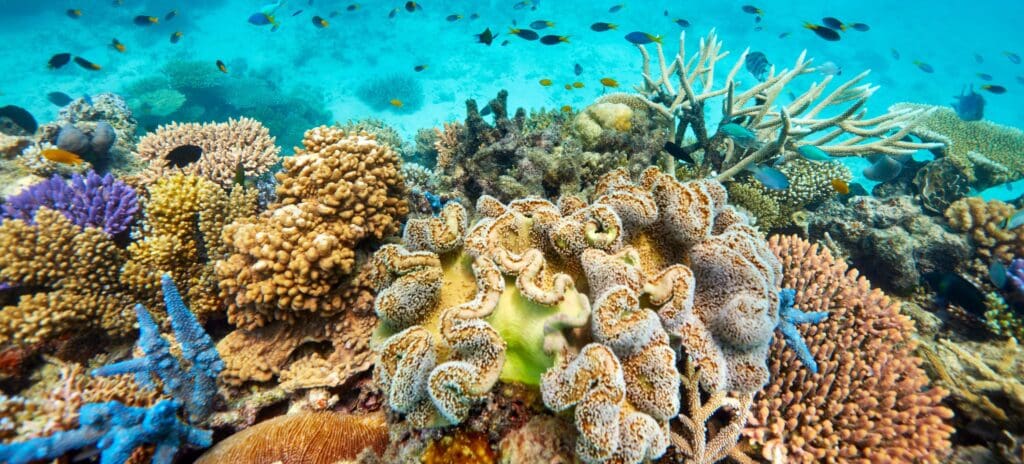
The winter months (June to August) are optimal for visiting the northern regions, including Queensland and the Great Barrier Reef. This period offers drier weather and reduced jellyfish presence, making it excellent for snorkeling and diving.
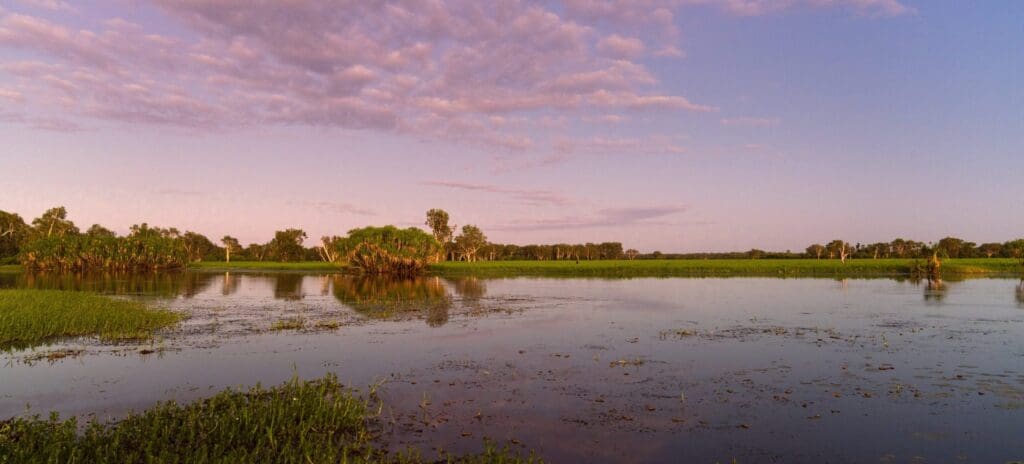
Conversely, summer (December to February) is perfect for beach enthusiasts in the southern states, although it can bring extreme heat to the outback. The tropical north experiences a wet season from October to April, which, while humid, can showcase lush landscapes and active wildlife
Ultimately, the best time to visit Australia depends on your interests and the regions you wish to explore. Each season offers unique attractions across the continent.
Make An Inquiry
Starting October 31, 2025, Qantas launches a direct Adelaide–Auckland route, opening seamless travel between South Australia and New Zealand. Enjoy quick access to wine regions, festivals, and new international connections.

Packing for Australia requires planning for diverse climates from tropical north to cool south and outback extremes. This detailed guide covers essential items and seasonal packing tips for every region, ensuring you’re prepared for beaches, cities, hikes, and wild adventures across the country.

Western Australia dazzles with its dramatic contrasts from the ancient gorges of the Kimberley and vibrant Ningaloo Reef to lush forests, wild coastlines, and lively Perth. This region promises adventure, solitude, and a deep connection to nature and culture, making every journey unforgettable.