
Why We’re Talking About Cruises Right Now
Cruising doesn’t usually come up first when people picture a Catalina Quest vacation. We’re known for villas, private guides, and itineraries built around a destination rather than a departure schedule. So, it might surprise you that some of the best travel we’ve planned this year happens to be on the water.
Here’s the thing about a ship: it’s not a compromise; it’s a shortcut. Certain places are logistically difficult, spread out, or simply better experienced from the water than the road. A well-run ship solves that problem for you. No unpacking six times across six towns. No chartering a plane to reach an island with no runway. The right ship turns a complicated destination into an easy one, which is exactly the kind of trade we like to make on your behalf.
Here are three routes that we love chatting about with our clients. Here’s why.
The Rhine, by Viking
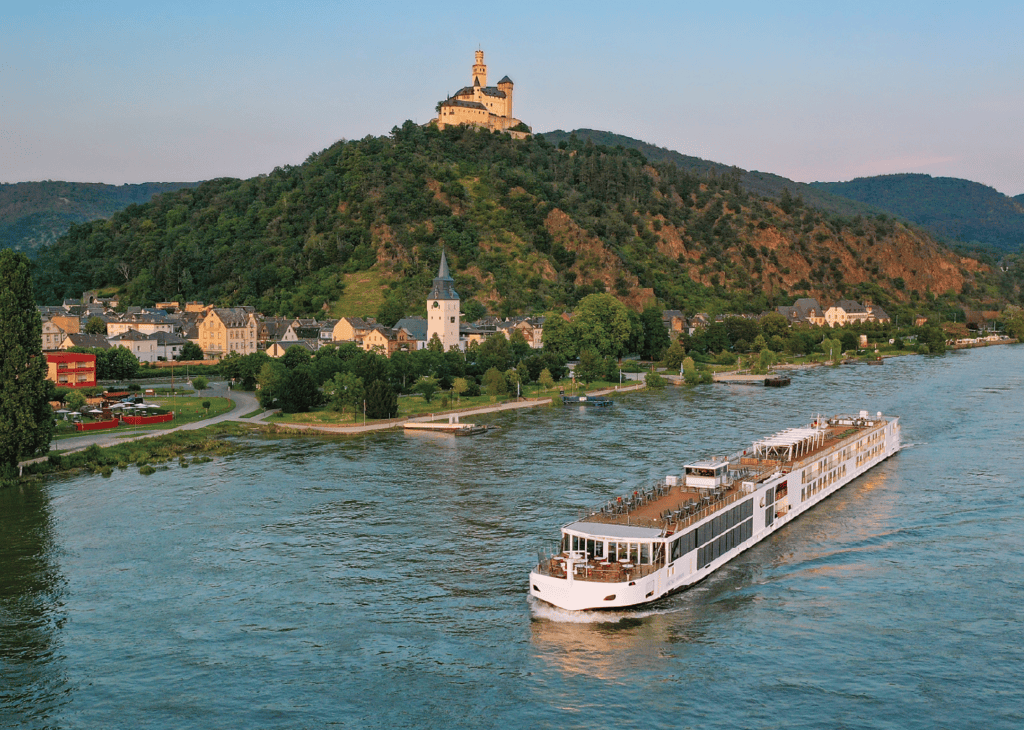
A river cruise solves a specific problem: how do you see half a dozen towns across two countries without living out of a rotating cast of hotel rooms? Viking’s Rhine Getaway answers that by putting you on a Viking Longship. The boat is sleek, Scandinavian in its design sensibility, built for around 190 guests, with an herb garden on the sun deck and a wall of glass in place of a traditional hallway window. You wake up in Amsterdam, sail past the windmills at Kinderdijk, and by the next morning you’re docked beneath the castles of the Rhine Gorge near Koblenz. Rüdesheim’s half-timbered lanes come after that, then Strasbourg or the Black Forest, before the ship ties up in Basel. The ship moves while you sleep, so almost none of the trips are spent in transit.
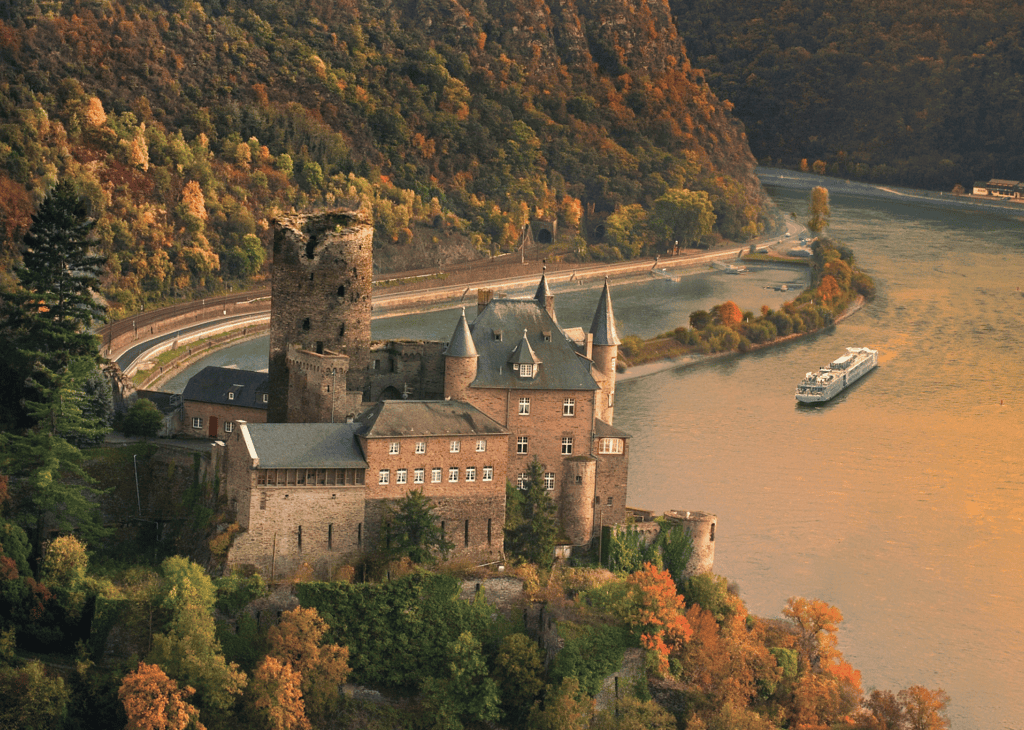
Meals, excursions in each port, and your transfers are already built in, which means the only real decision left is whether you want a balcony or a French balcony. It’s a trip that rewards people who want to feel like they’ve done Europe properly (multiple countries, real history, real food) without the spreadsheet of logistics that usually comes with it. We’d suggest this journey for a first-time river cruiser or a multigenerational family; it’s an easy trip to be on together, whatever age everyone in the group happens to be.
The Galápagos, aboard Hermes
The Galápagos is one of the rare destinations where a cruise isn’t the easy option; it’s kind of the only real option, as the islands are spread across the open ocean. Most of the wildlife you’re actually there to see (sea lions asleep on the dock steps, blue-footed boobies mid-courtship) is only reachable by water.
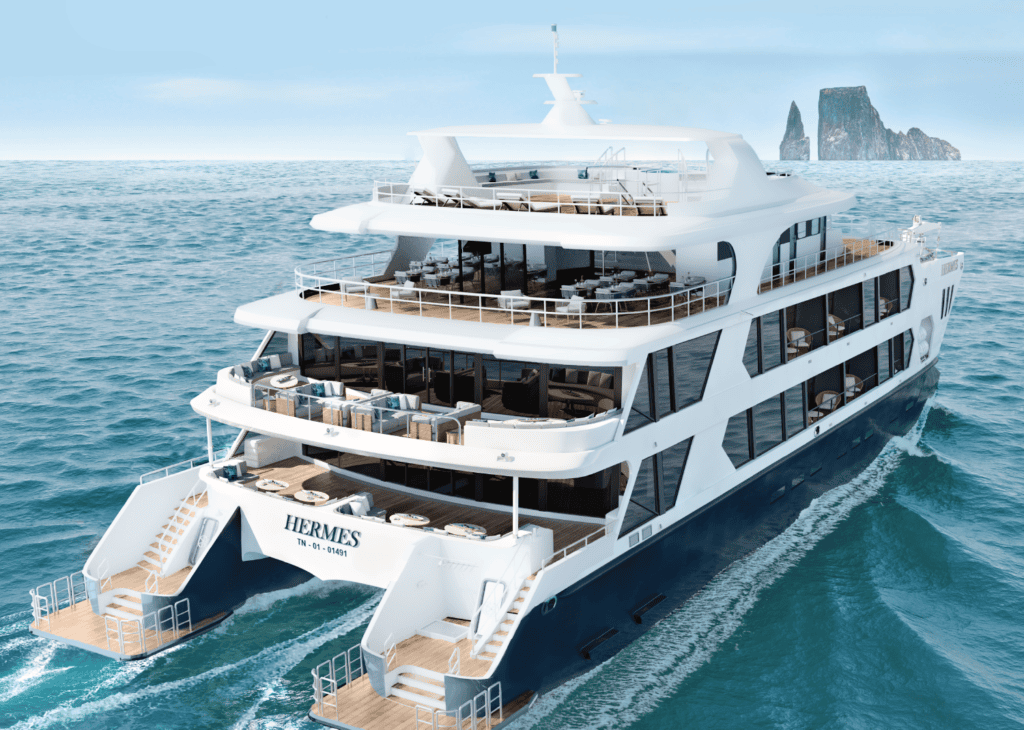
Hermes is a 12-suite catamaran, small enough to feel more like a private charter than a cruise. Suites come with private balconies and in-room Jacuzzis, and the crew-to-guest ratio means requests are handled before you’ve finished asking. Snorkeling gear, wetsuits, kayaks, and paddleboards are included, along with the small touches that separate a good expedition ship from a great one. Trips run four, five, or eight days, moving between islands overnight, so your days are spent in the water or on a trail rather than in transit. Hermes also backs the Endemic Reforestation Program on Santa Cruz Island, which matters if you’d rather your visit leave the islands better than it found them.

This is the trip for travelers who want the wildlife encounter — nose-to-nose with an iguana, snorkeling beside a sea turtle — without giving up the comfort of a proper suite at the end of the day.
Antarctica, with Intrepid
Antarctica is the one place on this list where the ship is as much a part of the story as the destination. Intrepid’s Ocean Victory and Ocean Albatros each carry around 184 guests, built with an X-Bow hull for a notably smoother ride through open water, wellness centers, and mostly private balcony cabins. For travelers who’d rather sail with fewer people, Intrepid also runs the 80-guest Ocean Nova, a smaller, nimbler ship with a 200-degree panoramic lounge and one of the best guide-to-guest ratios in the region.
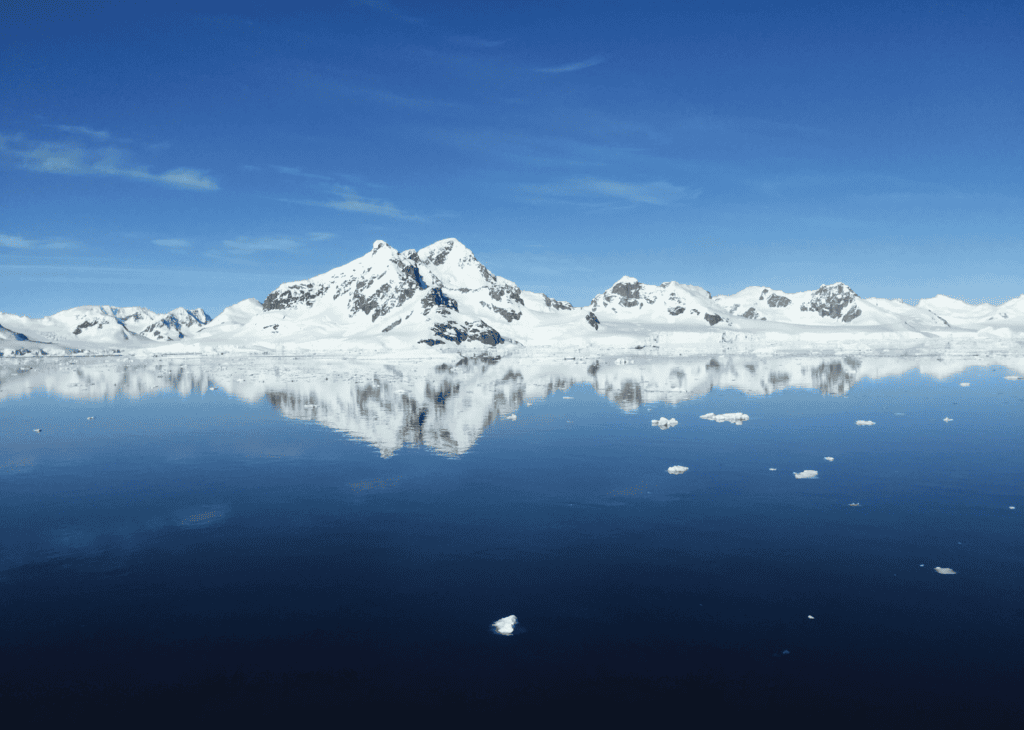
All departures leave from Ushuaia, at the southern tip of Argentina, with trips ranging from 10 to 24 days depending on how far you want to go — a straightforward Antarctic Peninsula crossing, a push south across the Antarctic Circle, or an extended route that adds the Falkland Islands and South Georgia. Every day on board includes Zodiac landings among gentoo penguins, seals, and, depending on timing, migrating whales, led by onboard experts in glaciology, ornithology, and marine biology. Meals, all shore excursions, and the education programming are included; what isn’t included is the sense, once you’re standing on the ice, that you’ve gone somewhere very few people ever do.
This isn’t a cruise you take to relax. It’s one you take because there’s genuinely nowhere else like it, and because the way there has gotten a great deal more comfortable than it used to be.
Which one is right for you?
If you’re weighing these against each other, the honest answer is that they’re not really competing for the same trip. The Rhine is the pick for a couple or a family who wants ease and culture in one package. The Galápagos suits travelers who want nature up close and don’t mind an early alarm for it. Antarctica is for the traveler who’s already done the easier bucket-list stops and wants the hard one.
Cruise cabins tend to book out further in advance than most hotels, so if a 2027 cruise is anywhere on your mind, now is the right time to start the conversation.
Reach out, and we’ll help you figure out which one fits the experience you’re seeking.
Contact Us