
Insider Tips for an Unforgettable Journey
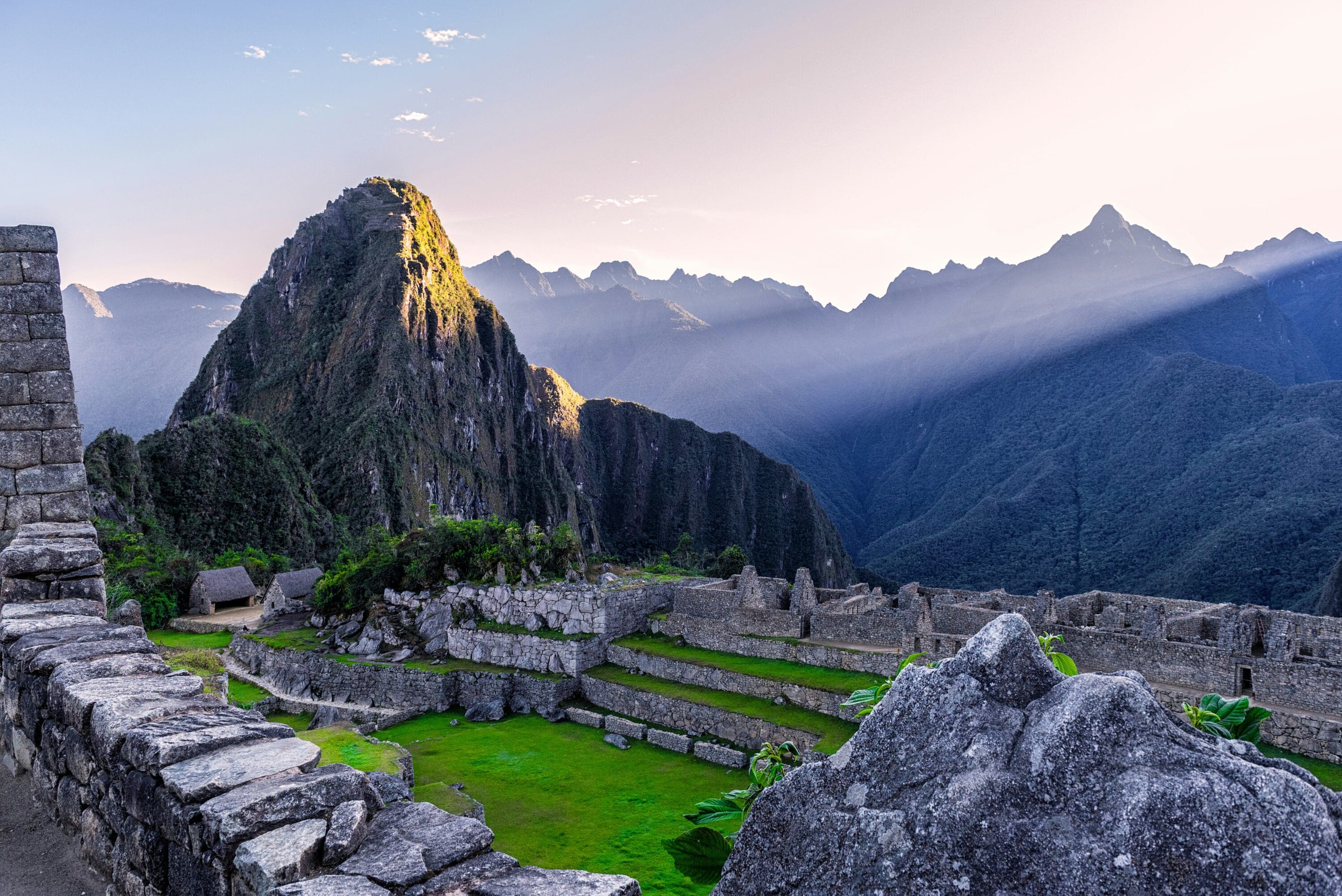
If Machu Picchu is on your bucket list, chances are you’ve dreamt of hiking the legendary Inca Trail. This ancient pilgrimage route is as rich in history as in natural beauty, winding through cloud forests, past Inca ruins, and culminating in a sunrise arrival at the Sun Gate.
At Catalina Quest, we’re passionate about helping travelers make the most of this once-in-a-lifetime adventure. Here are our top tips and insights to help you prepare for the journey of a lifetime.
Permits: Plan Early, Trek Happily
Strict regulations protect the Inca Trail’s magic: Each day, only 500 people (including guides and porters) can start the trek. That means permits for the most popular months—June, July, and August—often sell out up to a year in advance. If you’re dreaming of trekking during the dry season, start planning as soon as possible. Booking early not only secures your spot but also gives you time to train, acclimate, and get excited for the adventure ahead.
A Walk Through Living History
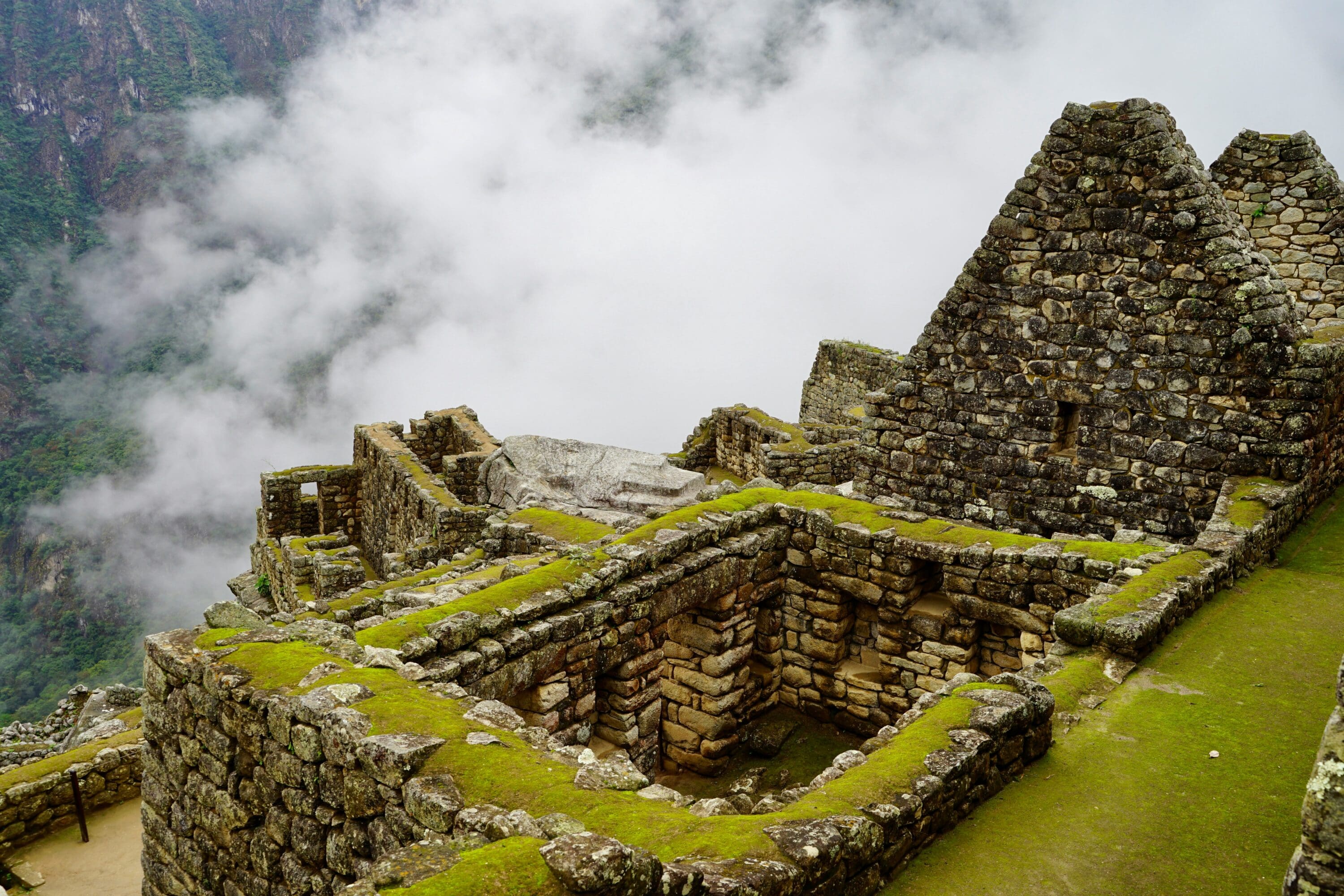
The Inca Trail is more than just a hike; it’s a journey through centuries of culture and engineering. Originally carved out by the Inca civilization as a sacred route to Machu Picchu, the trail is dotted with ancient ruins, ceremonial sites, and panoramic vistas. Each day brings new archaeological wonders—think moss-covered terraces, mysterious tunnels, and the hauntingly beautiful ruins of Wiñay Wayna. For many travelers, these moments of discovery are as memorable as Machu Picchu itself.
Fitness Matters, But So Does Mindset
Let’s be honest: the Inca Trail is challenging. Over four days and three nights, you’ll cover 26 miles, tackle steep ascents (hello, Dead Woman’s Pass at 13,800 feet!), and navigate uneven stone steps. Good physical health is important, but determination and a sense of adventure go a long way. We recommend:
- Training with local hikes, especially on hills or stairs
- Building up your endurance with cardio workouts
- Spending a few days in Cusco before your trek to acclimate to the altitude
Remember, everyone has tough moments on the trail. The camaraderie with fellow hikers and the support from your guides make all the difference.
Camping, Not Glamping
A common misconception: there are no lodges on the Inca Trail. You’ll be sleeping in tents and experiencing the elements firsthand. Think crisp mountain mornings and starry Andean nights. While the accommodations are basic, the experience is authentic. The real luxury? The incredible team of guides and chefs who accompany you. Expect hearty Peruvian meals (three a day!) and plenty of hot drinks to keep spirits high. Many travelers rave that the food is a highlight in itself—don’t be surprised if you’re served fresh trout or a celebratory cake at 12,000 feet!
Additional Hikes: Huayna Picchu & Machu Picchu Mountain
Arriving at Machu Picchu is a moment to savor, but if you want to climb Huayna Picchu or Machu Picchu Mountain for those iconic panoramic views, you’ll need to secure an additional permit in advance. These hikes are not included in the standard Inca Trail package, and spots are limited, so let your travel advisor know early if they’re on your wish list.
Guides: Your Essential Companions
By Peruvian law, all hikers on the Inca Trail must be accompanied by a licensed guide. This isn’t just about safety. It’s about enriching your experience. Guides share stories, history, and local legends that bring the landscape to life. They’re also experts at pacing the group, offering encouragement, and spotting rare orchids or elusive birds along the way.
Packing: Be Prepared for Anything
Weather in the Andes can change in a heartbeat. Here’s what we recommend for your packing list:
- Layered clothing for cool mornings and warm afternoons
- A waterproof jacket and rain pants
- Well-broken-in hiking boots
- A warm hat and gloves (especially for the higher passes)
- A quality sleeping bag (rated for cold temperatures)
- Headlamp and extra batteries
- Walking poles (with rubber tips, as required on the trail)
- Personal snacks and a reusable water bottle
Don’t forget the basics: sunscreen, bug spray, and a small first aid kit.
Altitude: Respect the Mountains
Altitude is a factor not to be underestimated. Symptoms can include headaches, nausea, and fatigue. Spend at least two nights in Cusco or the Sacred Valley before your trek to acclimatize, stay hydrated, and avoid alcohol. Listen to your body and let your guides know if you’re unwell; they’re trained to help.
Savor the Journey
The Inca Trail is a physical and emotional adventure, filled with awe, challenge, and connection. Whether you’re pausing to catch your breath at a mountain pass or sharing stories with new friends over dinner, embrace every step. The sense of accomplishment you’ll feel as you walk through the Sun Gate at sunrise is truly indescribable.
Ready to start planning? Catalina Quest is here to guide you every step of the way from securing permits to sharing packing tips and connecting you with the best local teams. Reach out to us to begin your own Inca Trail story.
The adventure and the memories await.
Contact Us