
A Traveler’s Guide to the Country’s Mosaic Heart
Italy isn’t just a country. It’s a tapestry of landscapes, flavors, and traditions woven together by 20 distinctive regions. From snow-capped Alpine peaks to sun-baked Mediterranean islands, each region is a world unto itself, with its dialects, dishes, and rhythms of life. If you’re planning a journey and wondering where to start, here’s how to navigate Italy’s regions—each offering a unique slice of la dolce vita.
Understanding Italy’s Regions: More Than Just a Map
Italy is divided into 20 regions, the primary administrative divisions of the country, similar to states in the U.S. or provinces in Canada. Five of these—Sicily, Sardinia, Trentino-South Tyrol, Friuli-Venezia Giulia, and Aosta Valley—have special autonomous status, reflecting their distinct languages, histories, or cultural identities. Each region is further broken down into provinces and then into comuni (municipalities), creating a patchwork of local pride and tradition.
For travelers, this means that moving from one region to another isn’t just a change of scenery—it’s a shift in culture, cuisine, and even language.
To make sense of Italy’s diversity, locals often group the regions into four broad macro-areas:
| Macro-Region | Regions Included | Highlights |
|---|---|---|
| North | Lombardy, Piedmont, Liguria, Aosta Valley, Veneto, Trentino-South Tyrol, Friuli-Venezia Giulia, Emilia-Romagna | Milan’s fashion, Venice’s canals, Alpine lakes, Dolomites, culinary capitals like Bologna |
| Central | Tuscany, Umbria, Marche, Lazio | Florence’s art, Rome’s history, rolling hills of Tuscany, medieval towns of Umbria |
| South | Abruzzo, Molise, Campania, Apulia, Basilicata, Calabria | Amalfi Coast, Naples’ pizza, ancient ruins, rugged coastlines, olive groves |
| Islands | Sicily, Sardinia | Volcanic landscapes, Greek temples, beaches, unique dialects and traditions |
Regional Flavors: A Quick Tour
- Northern Italy
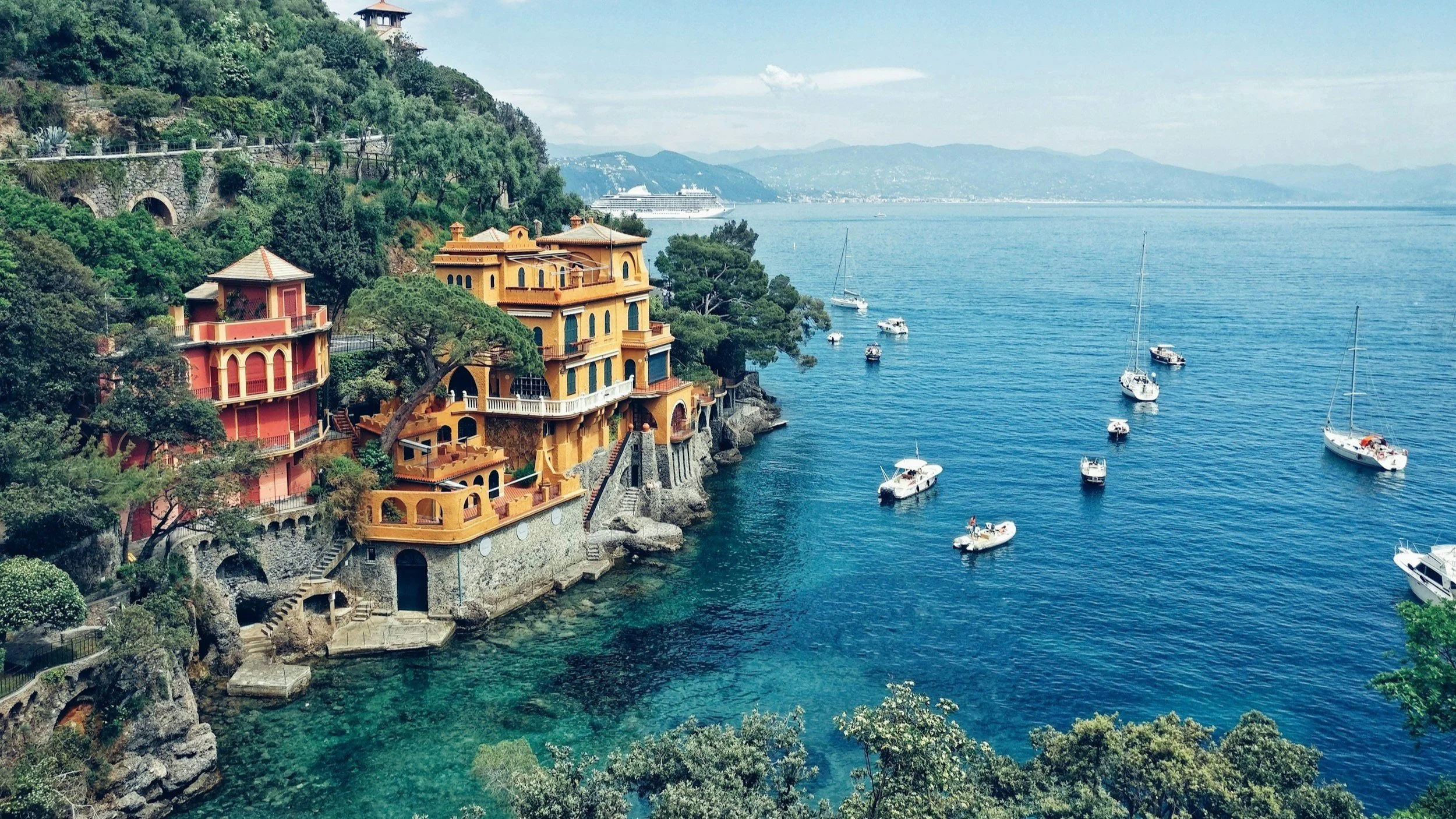
This is the land of the Alps, lakes, and cosmopolitan cities. Lombardy (home to Milan) is Italy’s economic engine, while Piedmont is famous for Barolo wine and truffles. Veneto dazzles with Venice and Verona, and Liguria’s pastel villages tumble down to the Ligurian Sea. The food here is hearty. Think risotto, polenta, and rich cheeses.
- Central Italy
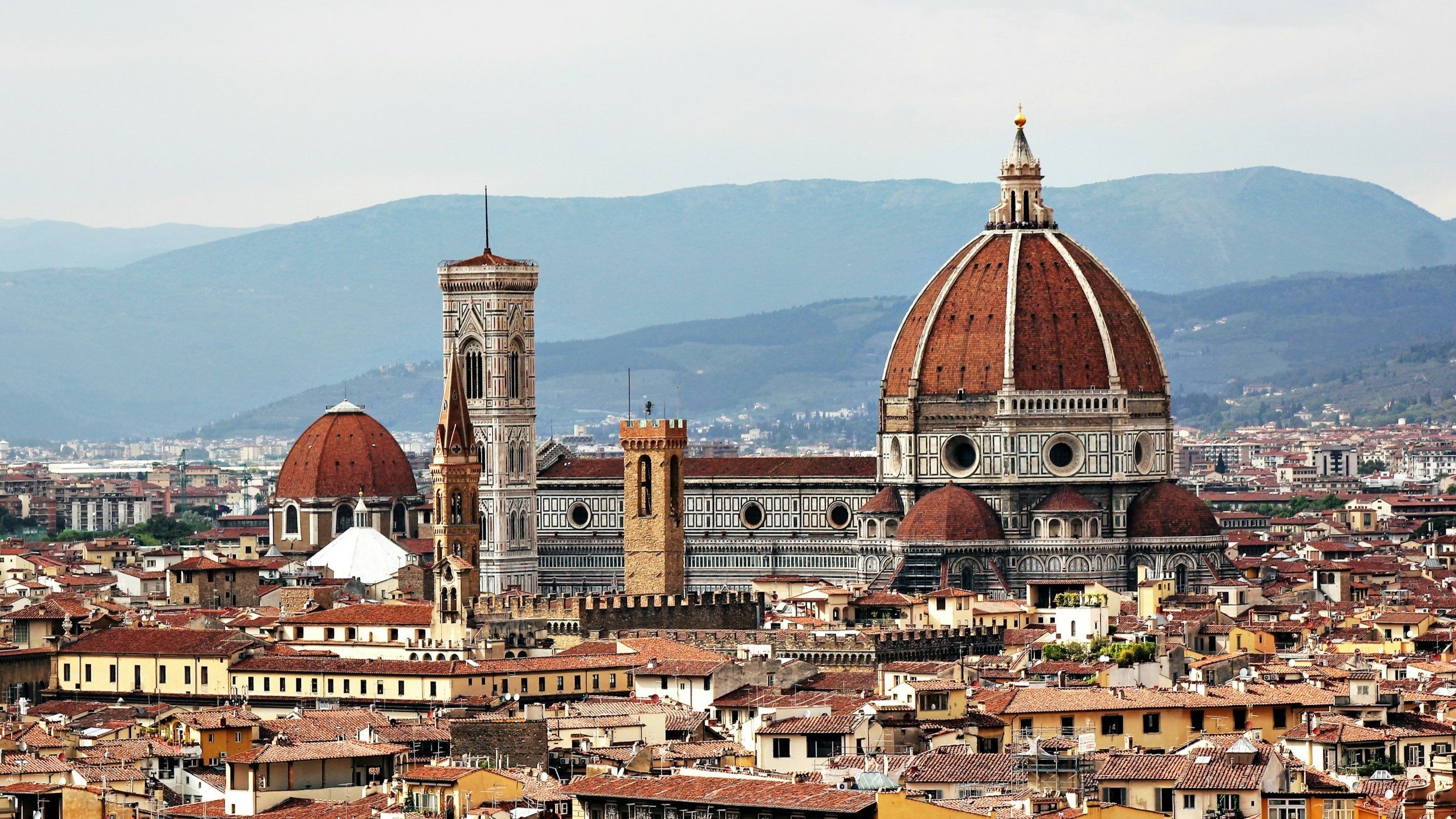
Tuscany is the poster child, with cypress-lined roads, Chianti vineyards, and Renaissance art in Florence. Umbria, the “green heart,” offers hilltop towns and truffle-laden cuisine. Lazio is anchored by Rome, where ancient ruins meet vibrant street life. Marche and Abruzzo provide wild mountains and Adriatic beaches, often overlooked by tourists. - Southern Italy
This is the Italy of sun, sea, and soul. Campania is home to Naples, the birthplace of pizza, and the dramatic Amalfi Coast. Apulia (Puglia) boasts whitewashed towns and olive groves stretching to turquoise seas. Calabria and Basilicata are rugged and untamed, offering a taste of old-world Italy. The south’s food is bold and rustic—think spicy ‘nduja, fresh seafood, and sweet pastries. - The Islands: Sicily and Sardinia
Sicily, the largest island, is a crossroads of Mediterranean civilizations, with Greek temples, Norman cathedrals, and the smoking peak of Mount Etna. Sardinia is wild and mysterious, famous for its Bronze Age ruins, turquoise coves, and fiercely independent culture. Both islands have their own languages, traditions, and unforgettable cuisines.
Why Regions Matter for Travelers
- Cuisine: Italy’s food is famously regional—what you eat in Bologna (tortellini, ragù) is worlds apart from what you’ll find in Palermo (arancini, cannoli).
- Festivals: Each region has its own calendar of festivals, from Siena’s Palio horse race to Venice’s masked Carnevale.
- Nature: Hike the Dolomites in Trentino, cycle Tuscany’s vineyards, swim in Sardinia’s crystal waters, or explore Sicily’s volcanic landscapes.
- Culture: Dialects, architecture, and even attitudes shift from one region to the next, making every stop feel like a new adventure.
Catalina Quest Tips for Exploring Italy’s Regions
- Don’t try to do it all. Focus on a region or two to really soak up the local flavor.
- Travel slow. Take the train or rent a car to explore the countryside and smaller towns.
- Eat local. Ask what’s in season and what’s typical for the area—you’ll be rewarded with unforgettable meals.
- Respect the differences. Locals are proud of their regional heritage; show curiosity and you’ll be welcomed like family.
Italy’s regions are the heartbeat of the country—a living, breathing mosaic of landscapes and traditions. Whether you’re sipping espresso in a Milanese café, wandering Tuscan vineyards, or watching the sun set over Sicilian ruins, you’re experiencing a piece of Italy’s regional soul. Pick your region, pack your curiosity, and let Italy surprise you—one region at a time.
Ready to plan your Italian adventure? Catalina Quest can help you find the perfect region, the perfect village, and the perfect plate of pasta to start your journey.
Design Your Dream Italy Trip