
Japan is one of those rare destinations that transforms completely with the seasons: the food shifts, the landscapes change, and even the pace of daily life feels different.
We don’t start with “When do you want to go?”
We start with “What do you want to feel?”
Because in Japan, seasonality isn’t just about weather. It’s about experience. Here’s how we guide travelers through three of Japan’s most iconic seasons and how to choose the one that aligns with your travel style.
Cherry Blossom Season
Best for: First-time visitors, cultural immersion, bucket-list moments
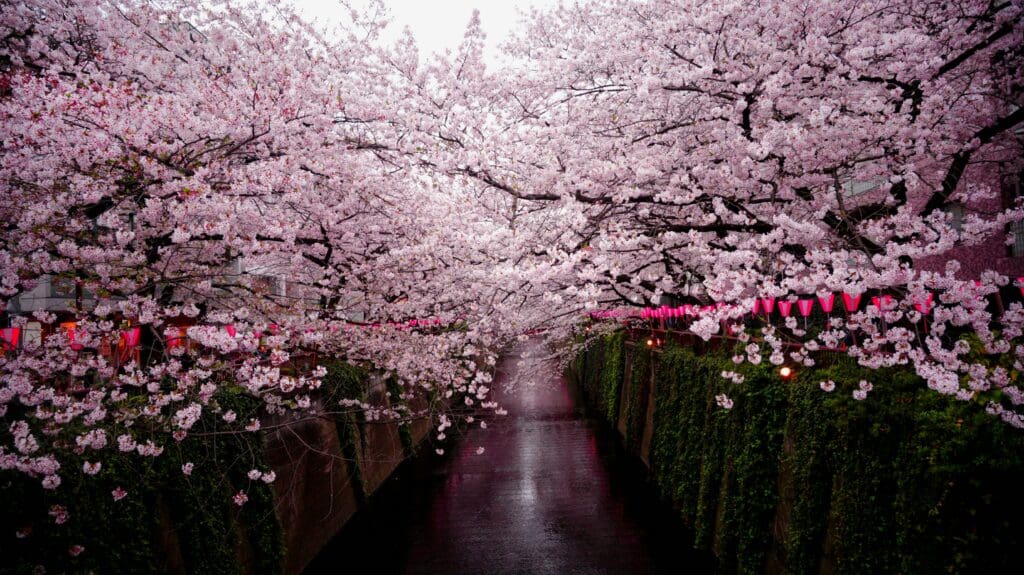
Late March through early April is Japan at its most poetic. Cherry blossoms, known as sakura, bloom across cities and countryside alike — soft pink petals framing temple gates, drifting into rivers, gathering in quiet corners of historic streets.
In Kyoto, blossoms arch over the Philosopher’s Path. In Tokyo, parks fill with locals enjoying hanami picnics beneath the trees. The fleeting nature of the blooms is part of the beauty, reminding you that presence matters.
This season is ideal if you want:
- Iconic photo moments paired with deep cultural storytelling
- Guided temple visits in Kyoto
- Traditional tea ceremonies
- Lively yet elegant city energy
It is also Japan’s busiest travel period. Planning early (we recommend a year in advance), choosing well-located accommodations, and securing timed entries make all the difference. Done thoughtfully, cherry blossom season is unforgettable rather than overwhelming.
Summer Season
Best for: Cultural immersion, repeat visitors, those who don’t mind warm weather
Summer in Japan is hot — there’s no way around that. But it’s also one of the most vibrant times of year to visit.
From June through August, cities and villages come alive with matsuri, traditional festivals that have been celebrated for centuries. Streets fill with food stalls, locals wear summer yukata, and elaborate floats roll through neighborhoods accompanied by music and lantern light. Summer trips are often planned around these festivals. For travelers who love cultural immersion, they offer an unforgettable glimpse into local life.
Some of the most famous include:
- Gion Matsuri (Kyoto) – One of Japan’s most historic and spectacular festivals in July
- Nebuta Matsuri (Aomori) – Massive illuminated floats parading through the streets in August
- Hanabi (summer fireworks festivals) – Celebrated across the country on warm summer nights
Summer works especially well for travelers who want:
- Authentic cultural celebrations
- Lively street energy and community traditions
- Evening events when the air cools and lanterns glow
That said, it’s important to plan thoughtfully. The heat and humidity can be intense, and popular festivals draw large crowds, which can either be part of the excitement or something travelers may prefer to avoid.
Fall Foliage
Best for: Slow travelers, food lovers, repeat visitors
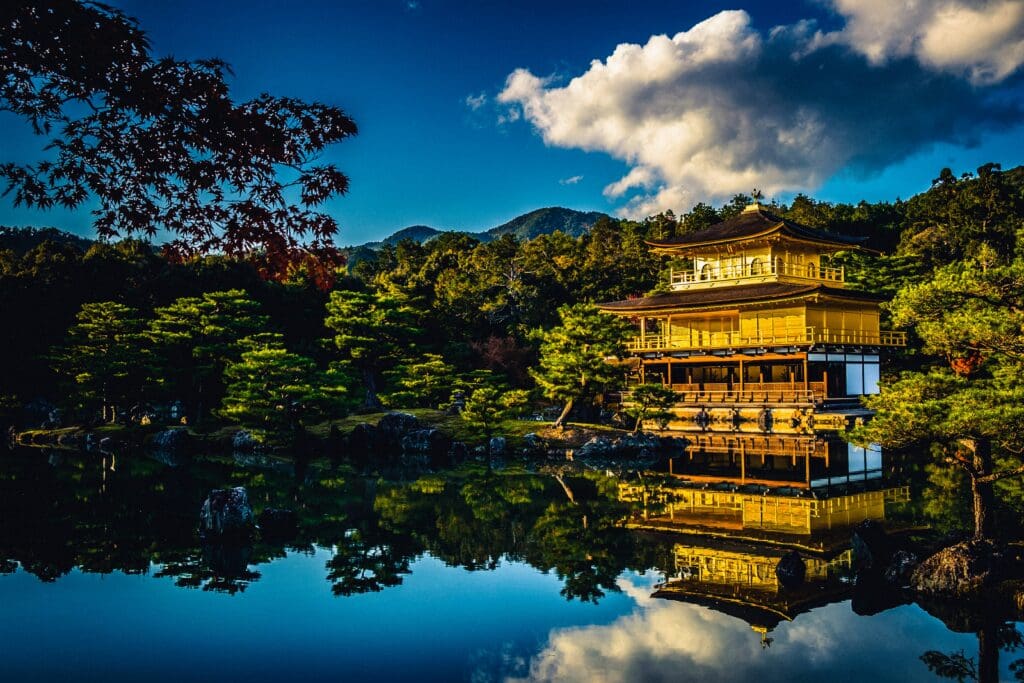
From late October through November, Japan glows again. This time in shades of crimson, amber, and gold. Maple trees ignite temple gardens. Mountain landscapes turn painterly. Crowds soften compared to spring.
Autumn feels contemplative.
Kyoto’s gardens become quiet sanctuaries. Nikko’s bridges reflect in leaf-lined rivers. Takayama’s preserved streets feel even more atmospheric as the air cools.
Fall is perfect if you’re drawn to:
- Garden design and traditional architecture
- Seasonal cuisine like matsutake mushrooms and fresh persimmons
- Scenic rail journeys through mountainous countryside
- A more relaxed pace without sacrificing visual drama
For many of our travelers, fall becomes their favorite season in Japan. It’s rich, textured, and deeply sensory.
Ski Season
Best for: Active travelers, couples, and families who love winter landscapes
December through February transforms northern Japan into a winter playground. Regions like Niseko and Hakuba are famous for light, dry powder — but the magic goes beyond the slopes.
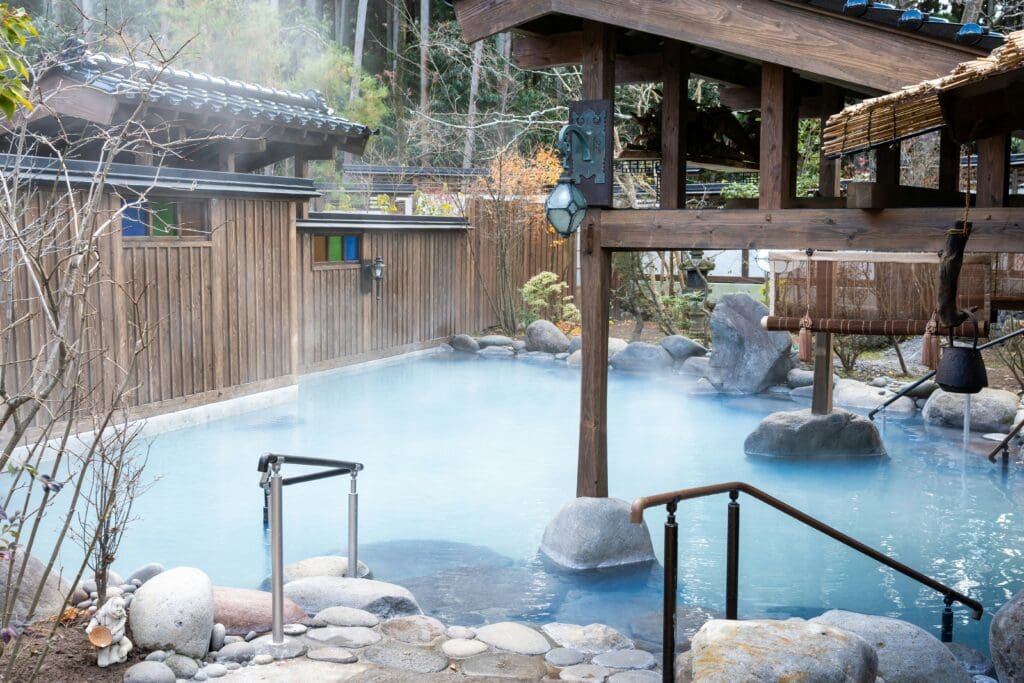
Imagine skiing all day and soaking in a steaming onsen while snow falls silently around you. Imagine small mountain villages glowing in lantern light. Imagine multi-course dinners featuring local seafood and wagyu after a day outdoors.
Ski season in Japan offers:
- World-class snow with fewer crowds than European resorts
- Boutique alpine lodges with impeccable service
- Cultural contrasts between modern ski towns and traditional ryokan stays
- Easy pairing with Tokyo for a city-meets-mountain itinerary
For families, Japan’s ski culture is welcoming and organized. For couples, it’s cozy and atmospheric. For adventure seekers, it’s powder heaven with a distinctly Japanese twist.
Choosing the Right Season for You
If this is your first visit and you want iconic imagery, cherry blossom season delivers cinematic beauty. If you crave movement and contrast — skiing by day, soaking in hot springs by night — winter may surprise you.
If you’re returning to Japan or prefer depth over spectacle, autumn’s layered colors and flavors offer a quieter kind of magic.
And of course, Japan is remarkable year-round. Summer brings vibrant festivals and coastal escapes. Early winter offers fewer crowds and crisp, clear days. The key is aligning your expectations with the rhythm of the season.
A Note on Golden Week
One period we generally recommend avoiding is Golden Week, which falls in late April to early May. During this time, four national holidays occur within the same week, giving much of Japan several days off at once.
The result? One of the busiest travel periods of the year, with crowded trains, higher hotel prices, and packed attractions across the country.
For a smoother experience, we typically schedule spring trips either before Golden Week or after it, allowing travelers to enjoy the season without the surge in domestic travel.
Planning with Seasonality in Mind
Japan rewards early planning. Cherry blossom forecasts shift annually. Ski conditions vary by region. Fall foliage travels from north to south over several weeks. Timing matters, but flexibility matters just as much.
At Catalina Quest, we build itineraries that honor both season and experience. That might mean securing a ryokan with private onsen during ski season, reserving a temple-adjacent stay for blossom viewing, or mapping foliage progression to maximize color.
When you’re ready to explore Japan, we’ll start with one question: “What do you want to feel?”
Contact Us