
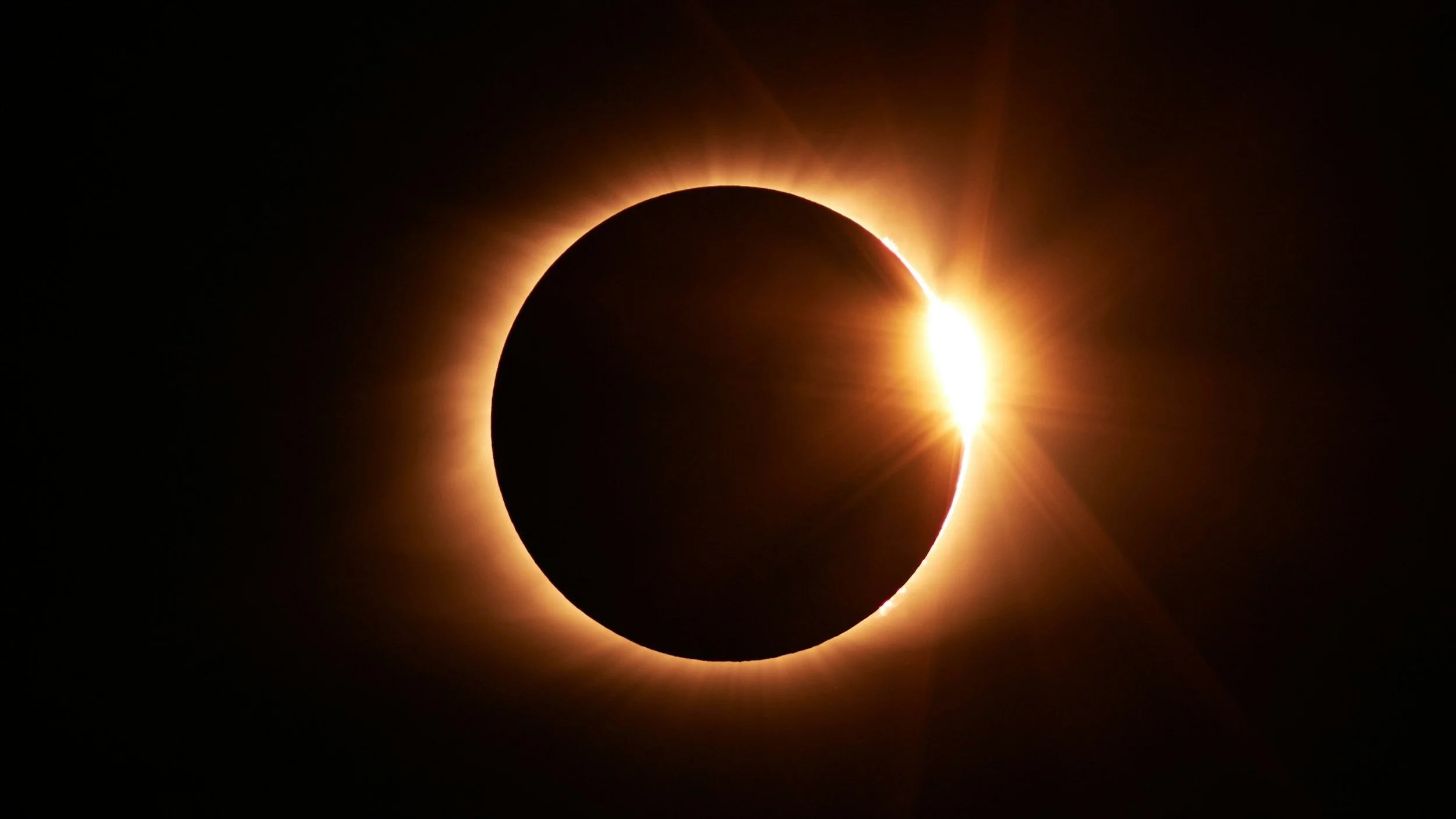
There’s something about a total solar eclipse that feels like magic—day turns to night, the temperature drops, and the world stands still for a few fleeting minutes. Now imagine experiencing that cosmic drama against Iceland’s wild, otherworldly landscapes. On August 12, 2026, Iceland will be one of the best places on the planet to witness this rare event, and if you’re dreaming of joining the chase, it’s time to start planning.
Why Iceland for the 2026 Eclipse?
Let’s cut to the chase: Iceland isn’t just in the path of totality—it’s practically the bullseye. The eclipse will sweep across the country in the late afternoon, with the longest durations of total darkness in the remote western regions. For eclipse chasers and first-timers alike, this is a bucket-list opportunity to see one of nature’s greatest shows in a landscape that looks straight out of a fantasy novel.
When and Where: The Essential Details
Date: Wednesday, August 12, 2026
Partial Eclipse Begins: 16:47 GMT (4:47 PM)
Totality Hits the Westfjords: 17:43 GMT (5:43 PM)
Totality Reaches Reykjavík: 17:48 GMT (5:48 PM)
Eclipse Ends: 18:47 GMT (6:47 PM)
The eclipse will be visible across all of Iceland, but if you want to experience the full, awe-inspiring blackout, you’ll need to be in the west. The Westfjords, Snæfellsnes Peninsula, and Reykjanes Peninsula are the hot spots for totality. Reykjavík, the capital, will also see totality, though slightly shorter than the far west.
The Best Viewing Spots (And Why They Matter)
Látrabjarg, Westfjords
If you’re after the longest stretch of totality on land—about 2 minutes and 14 seconds—Látrabjarg is the place to be. Picture yourself perched on dramatic cliffs, puffins wheeling overhead, as the moon swallows the sun. It’s remote, wild, and utterly unforgettable, but getting there is an adventure in itself: expect a 6–7 hour drive from Reykjavík, including a ferry and some gravel roads.
Snæfellsnes Peninsula
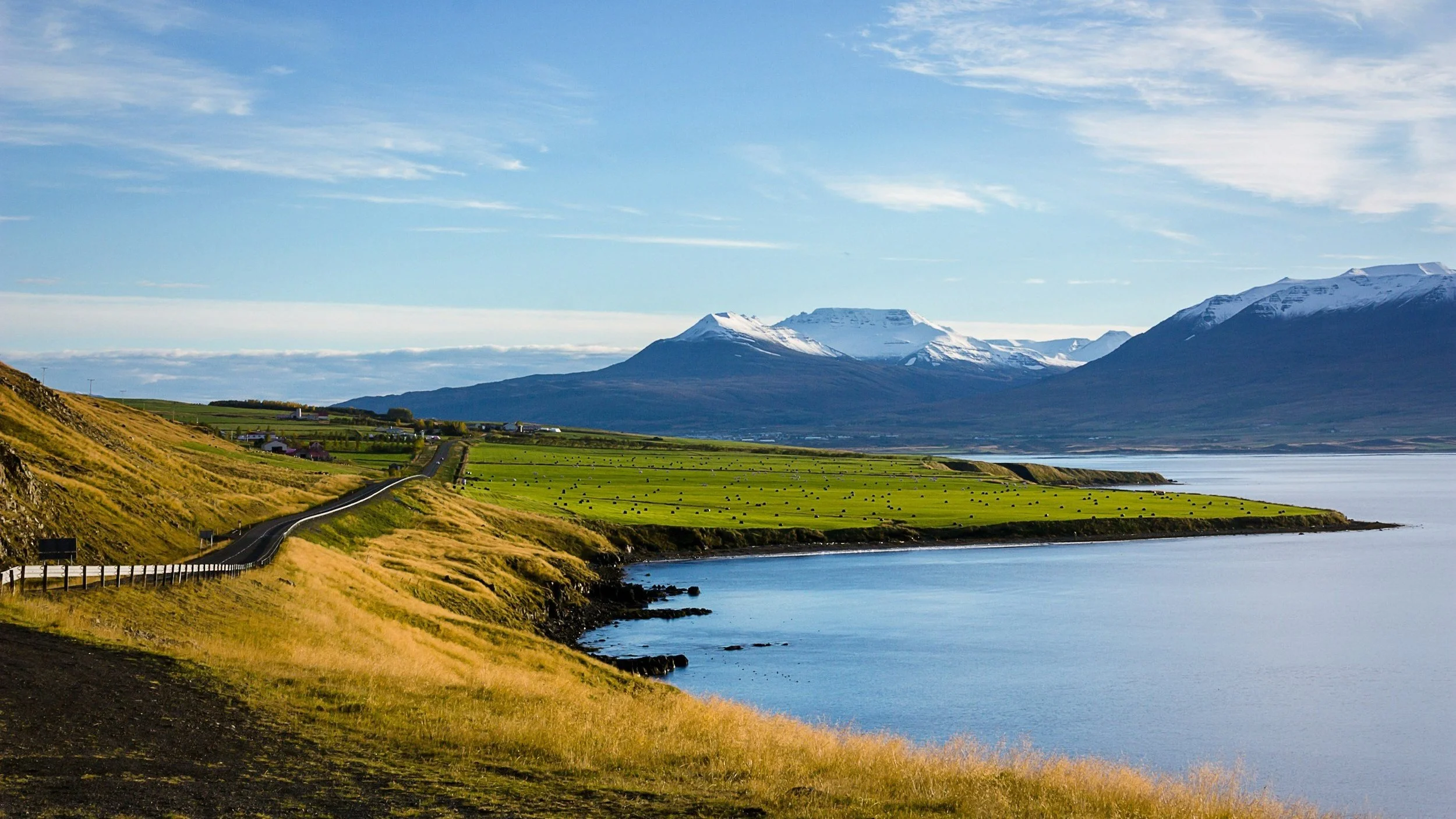
This region is a photographer’s dream, with volcanic peaks, black sand beaches, and the iconic Kirkjufell mountain. Towns like Hellissandur and Ólafsvík will see just over two minutes of totality, and the scenery is pure Icelandic drama. Snæfellsnes is also more accessible than the Westfjords—about three hours from Reykjavík by car.
Reykjavík & Perlan
Don’t want to stray far from civilization? Reykjavík is within the path of totality, and the Perlan observation deck offers panoramic city and mountain views. Expect about one minute of totality here. It’s a great option if you want easy access to hotels, restaurants, and public transport—and you’ll still get the full eclipse experience, just with a bit more company.
Akranes & Grótta Lighthouse
For a quieter city escape, Akranes and the Grótta Lighthouse on the Reykjavík coast offer open horizons and slightly longer totality than downtown. Both are easily reachable from the capital, making them smart picks for those balancing convenience and experience.
Weather, Light, and the Icelandic Wild Card
August in Iceland is a study in contrasts: mild by local standards (think 57–59°F/14–15°C), but the weather can turn on a dime. Cloud cover is always a possibility, but even if the sky is gray, you’ll feel the eerie midday darkness descend. The key is flexibility—if you’re mobile, you can chase clearer skies at the last minute. Many guided tours are planning to do exactly that, adjusting routes based on real-time forecasts.
Accommodation and Logistics: Plan Now or Miss Out
Here’s the not-so-secret truth: Iceland’s best eclipse viewing areas are already booking up. The Westfjords and Snæfellsnes have limited hotels and guesthouses, and demand is sky-high. Reykjavík offers the widest range of options, from boutique hotels to locals renting out apartments just for the event. If you want to be in the thick of totality, reserve your spot now—waiting could mean missing out entirely.
Car rentals are another pinch point. With travelers flocking to the west, vehicles will be in short supply. If you’re not keen on driving Iceland’s winding roads, consider joining a guided eclipse tour. These tours will take you to the best vantage points based on weather, handle the logistics, and let you focus on the sky.
The Catalina Quest Way: How to Eclipse Like a Pro
-
Book accommodation and transport early, especially if you’re heading west.
-
Consider Reykjavík for convenience, tours, and a lively eclipse-day atmosphere.
-
Pack for all seasons: layers, rain gear, and a sense of adventure.
-
Arrive early at your chosen viewing spot—crowds will be part of the experience, especially in the city.
-
Don’t forget eclipse glasses! Safety first, even in the land of fire and ice.
Final Thoughts: A Once-in-a-Lifetime Icelandic Adventure
The 2026 total solar eclipse is set to be one of the most spectacular celestial events of the decade, and Iceland is front and center. Whether you’re drawn to the wild cliffs of the Westfjords, the volcanic vistas of Snæfellsnes, or the urban energy of Reykjavík, you’ll find a front-row seat to nature’s grandest show. Start planning now, and you’ll be ready when the shadow sweeps across the land—one unforgettable Icelandic afternoon when day turns to night, and the world holds its breath.
See you under the shadow. Skál to chasing totality, the Icelandic way.